











I Tested Every Water Filtration Device on The Market
Words by
Sophie N

I Tested Every Water Filtration Device on The Market.
For the past year, I’ve been testing the water people drink at home.
Not in a lab.
In real kitchens.
Filter jugs.
Under-sink systems.
Countertop machines.
Even bottled water.
Some were cheap.
Some were surprisingly expensive.
Some looked extremely technical.
But after comparing them side-by-side, something became clear.
Most water filtration devices solve one problem… while quietly creating another.
Why I Started Looking Into Water Filtration

1. Microplastics Have Been Detected In Drinking Water
Researchers from the University of Hull identified microplastic particles in tap water samples during testing in the UK.
Scientists are still studying the long-term health effects, but the presence itself is now well documented around the world.
For many people, that discovery alone has been enough to start thinking more carefully about filtration at home.

2. PFAS “Forever Chemicals” Are Being Detected In Rivers And Groundwater
Monitoring by the UK Environment Agency has identified PFAS compounds in rivers and groundwater sources across England.
These chemicals are sometimes called “forever chemicals” because they break down extremely slowly in the environment.
UK drinking water remains within regulatory limits, but growing awareness of PFAS has led many households to explore additional filtration.

3. Microplastics Have Been Detected In Drinking Water
Around 60% of homes in England receive hard water supplies.
Hard water isn’t unsafe, but it contributes to limescale build-up, cloudy kettles and noticeable taste differences.
For many households, filtration isn’t about removing dangerous contaminants.
It’s simply about improving everyday water quality.
So I Tested The Main Options
Once you start looking, most home filtration devices fall into three categories.
Filter jugs.
Under-sink systems.
Countertop filtration machines.
They all promise cleaner water, but living with them is very different.
What I Noticed After Testing Everything

After testing the main options, a clear pattern appeared.
Filter jugs are simple and improve taste, but filtration is fairly basic and performance can drop in hard water areas.
Under sink reverse osmosis systems provide deeper filtration, but they require installation, take up cupboard space, and often produce wastewater.
Some households switch to bottled water instead, but plastic bottles can release microplastics and the cost adds up over time.
One thing became obvious during testing.
The best filtration system is the one people actually use every day.
That is why countertop filtration systems often make the most sense. They offer stronger filtration than most jugs, require no installation, and sit exactly where people use water most often.
The System I Ended Up Using After Testing

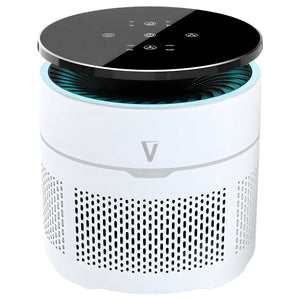
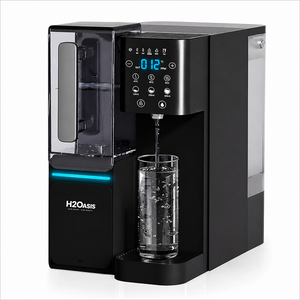
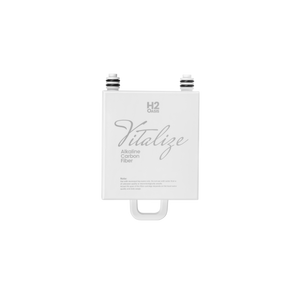
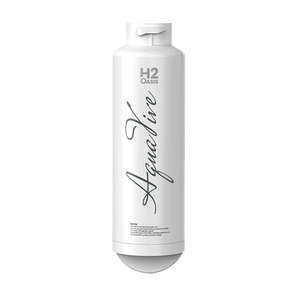
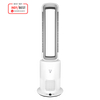
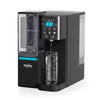
H2 Oasis Water Filter System from Vortex Air
After testing everything, I kept the option that required the fewest compromises.
No plumbing installation.
Multi-stage filtration.
Compact enough for the kitchen counter.
That’s the idea behind The Vortex Air H2 Oasis.
It sits between basic jug filters and complex plumbing systems.
Not extreme, just practical.
BONUS: Try It Risk-Free
Every unit comes with a 30-day money-back guarantee and fast UK shipping
So you can feel the difference before you commit.

Removes 99.99% of over 1,000 harmful contaminants
Instant Heating for Every Beverage Need
Real-time display of TDS levels, water quality, and filter life
2-year manufacturer's warranty
Vortex Air™ H2 Oasis - Reverse Osmosis Water Filter System


