












The Surprising Way People Are Reducing Hayfever Symptoms at Home
If you suffer from hayfever, you probably recognise the moment when it feels like the symptoms follow you everywhere. Even inside your own home.
For years, most advice around hayfever has focused on outdoor exposure. Check the pollen forecast. Avoid parks. Keep windows closed.
But something about that advice never quite made sense.
If pollen stays outside, why do so many people still wake up congested in their bedrooms?
We started looking into how pollen actually behaves once it enters a home. What we found explains why so many people feel relief outside on some days, but continue struggling indoors.
Hayfever Is Far More Common Than Most People Realise
Hayfever is often treated as a small seasonal inconvenience. In reality, it affects millions across the UK.
Around one in four people suffer from hayfever, which means roughly 16 million people experience pollen allergies each year.
More broadly, allergies now affect around one third of the UK population, making Britain one of the countries with the highest allergy rates in the world.
Researchers also believe the problem is growing. Warmer temperatures and longer growing seasons mean plants are releasing pollen earlier and continuing for longer into the year.
For many people, hayfever season now stretches months rather than weeks.

Why the UK Is Becoming One of the Toughest Places for Hayfever
For many people, hayfever seasons now feel more intense than they used to.
Scientists have been observing noticeable changes in pollen patterns across the UK.
Some research suggests pollen seasons can now begin weeks earlier than they did a few decades ago.
Urban environments can make the situation worse. Dense buildings and reduced airflow can allow airborne particles to linger longer in city environments.
The combination of longer pollen seasons, higher pollen counts and urban living is one reason allergy specialists believe hayfever has become increasingly common across the UK.
The Device Many Allergy Sufferers Are Now Using at Home
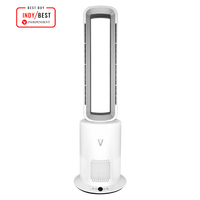
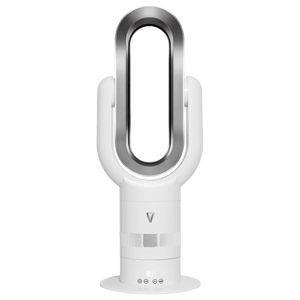
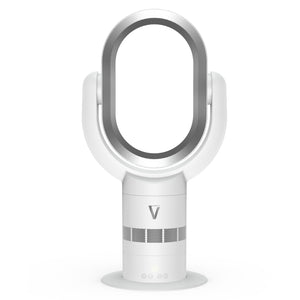
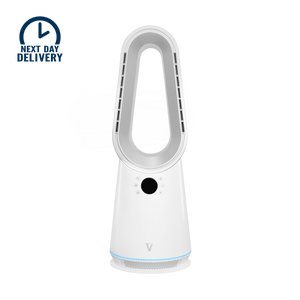
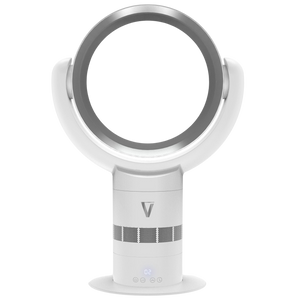
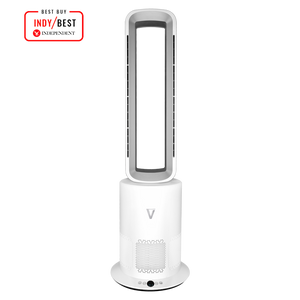
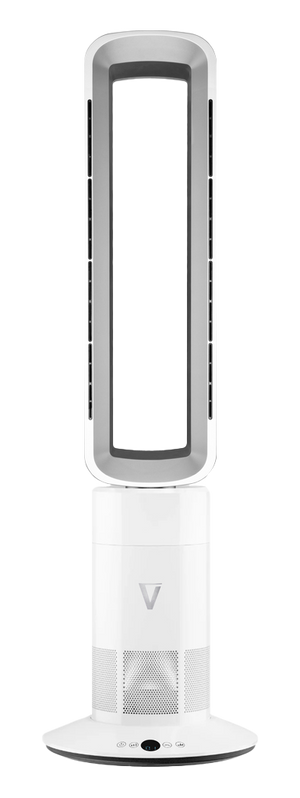
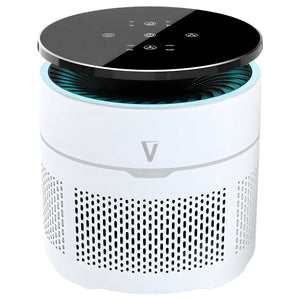
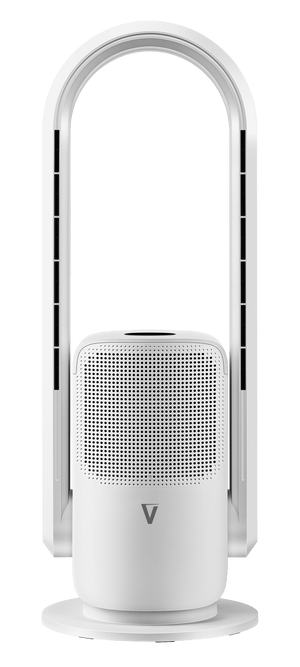
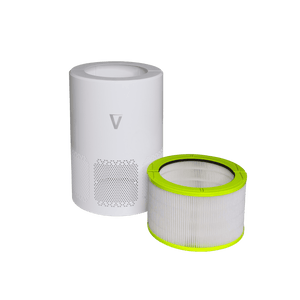
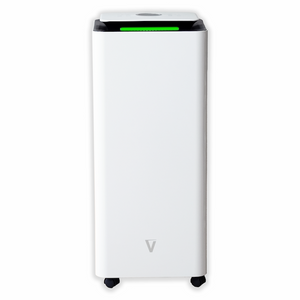
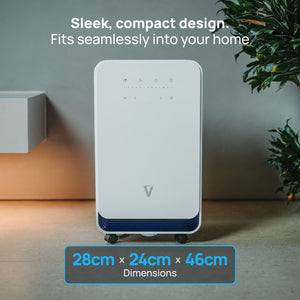
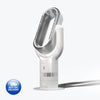
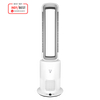
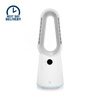
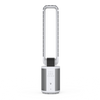
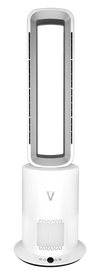
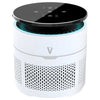
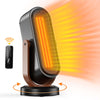
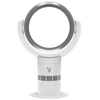
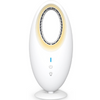
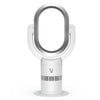
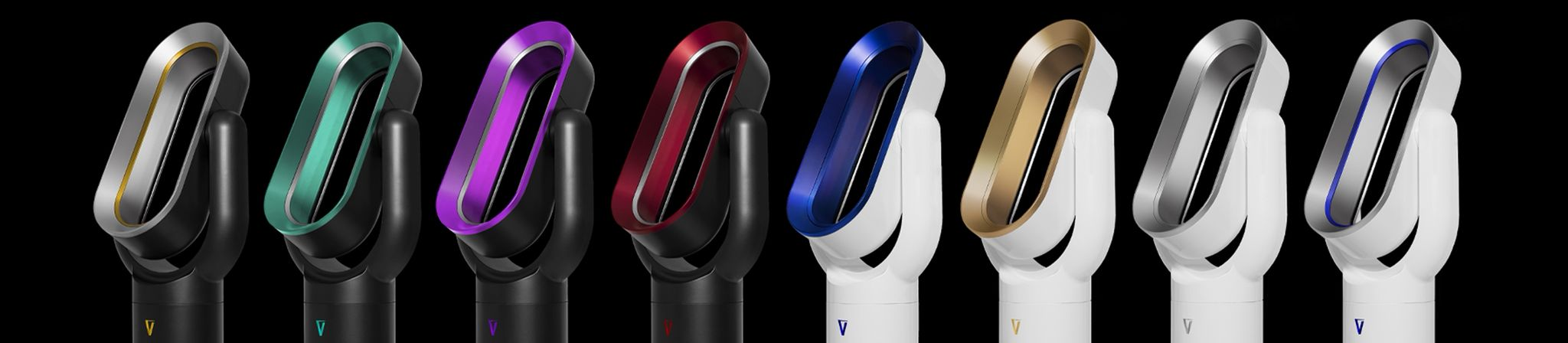
The Vortex Air Cleanse 3-in-1 Air Purifier
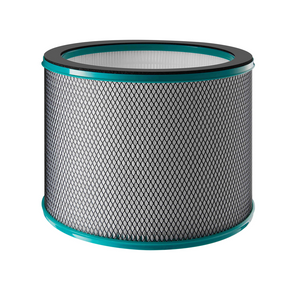
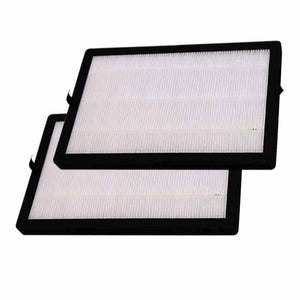
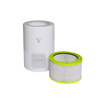
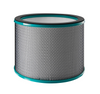
Instead of working only as an air purifier, it circulates the air throughout the room while passing it through a HEPA filtration system designed to capture airborne particles such as pollen.
It also functions as a heater during colder months and as a cooling fan during warmer weather.
That means many households keep it running throughout the year rather than using it only during allergy season.
Why It Actually Works:

1. It Removes Pollen From the Air
Pollen particles are microscopic and can remain suspended in indoor air for long periods.
A HEPA filter is designed to capture extremely small airborne particles as air passes through it. This includes many of the allergens that trigger hayfever symptoms, such as pollen and dust.
Over time, this continuous filtration reduces the number of irritants circulating around the room.

2. It Circulates Air Instead of Letting Allergens Settle
Many allergens settle into fabrics like carpets, sofas and bedding.
But every time air moves through a room, some of those particles become airborne again.
Air circulation systems continuously pull air through a filter, helping remove particles instead of letting them recirculate around the room.

3. It Allows You to Sleep Uninterupted
Hayfever symptoms often become worse during the evening or overnight.
Running an air purification system in the background allows particles to be filtered continuously while the room is being used.
That steady filtration gradually improves the overall air quality inside the space.

4. It Reduces the Overall Allergen Load Indoors
Hayfever symptoms are often triggered by the total amount of allergens in the air, not just individual exposures.
By filtering air over time, purifiers help reduce the overall concentration of airborne particles inside a room.
For many people, lowering that exposure can make indoor spaces feel noticeably easier to breathe in
What Researchers Found When They Tested Air Purifiers
One of the most interesting pieces of research we came across examined what happens when indoor air is actively filtered.
A study published in the journal Clinical and Translational Allergy tested HEPA air purifiers in 22 bedrooms to measure how they affected allergen levels.
Researchers observed:
75% reduction in dust mite allergens
77% reduction in cat allergens
89% reduction in dog allergens
In other words, when air is continuously circulated through a high efficiency filter, a large portion of the particles that trigger allergies can be removed from the room.
BONUS: Try It Risk-Free
Every unit comes with a 30-day money-back guarantee and fast UK shipping
So you can feel the difference before you commit.

Captures 99.97% of airborne contaminants
Robust Heating and Cooling for year round comfort
2-year manufacturer's warranty
Vortex Air™ Cleanse - Air Purifier
Stock alert: Due to record demand during peak allergy season, current inventory is moving faster than expected. Secure your unit now to avoid backorder delays.


