







What Does a Dehumidifier Do?
Moisture is always present in the air, although some homes hold far more than they should. When humidity builds up it creates that familiar heavy feeling in the air and brings problems such as condensation on windows, damp corners in bedrooms and a musty smell that seems to cling to fabrics. A dehumidifier is designed to remove this excess moisture so your home stays dry, fresh and comfortable throughout the year.
If you are wondering what a dehumidifier actually does, how it works or whether it is worth having in your home, this guide will walk you through everything in a clear and practical way. It has been written with UK homes and everyday living in mind.
TL;DR: What a dehumidifier does
- A dehumidifier removes moisture from the air and lowers humidity.
- It helps prevent condensation, mould, mildew and musty smells.
- It protects walls, windows and furniture from damp damage.
- It improves everyday comfort and can make breathing feel easier.
- It helps clothes dry faster indoors.
- Most homes feel best at around forty five to fifty five percent relative humidity.
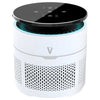
If you prefer to explore specific models as you read, you can browse the full Vortex Air collection here: Vortex Air dehumidifiers.
Why UK homes often need a dehumidifier
The UK has a naturally humid climate, especially during autumn and winter. Many homes are older, more compact or less ventilated than properties in warmer countries. Warm indoor air meets cold windows and walls, which is why condensation appears so easily. Everyday life adds more moisture on top of this. Steam from the shower, water from cooking, kettles boiling and laundry drying indoors all push humidity higher.
When this extra moisture hangs around, it settles on cold surfaces and creates the conditions that lead to damp patches and mould. A dehumidifier helps stop that cycle by quietly collecting the excess moisture before it has a chance to settle anywhere.
What a dehumidifier does in everyday terms
In simple terms, a dehumidifier takes in air from the room, removes the moisture from that air and returns it in a drier and lighter state. As the moisture level falls, your home becomes more comfortable and far less prone to damp. Once the room reaches your chosen humidity level, the dehumidifier maintains it by switching itself on and off automatically. There is no need to keep adjusting it, which makes daily use very simple.
A humidity level of around forty five to fifty five percent is a comfortable range for most homes in the UK. At this point, the air feels fresh, condensation stops forming and mould loses the moisture it needs to grow.

How reducing humidity protects your home
Lower humidity does not simply make the room feel nicer. It protects the building itself. Condensation can soften plaster, lift wallpaper and cause wooden windowsills to swell or rot. Kitchens, bathrooms and bedrooms are particularly vulnerable. When excess moisture is removed, it is far easier to keep these rooms clean, dry and healthy.
Fabric items also suffer in humid rooms. Wardrobes can develop a faint musty smell, leather bags can soften and books may start to warp slightly. Bringing humidity down to a stable level helps prevent these slow changes and protects the things you store at home.
How a dehumidifier works from the inside
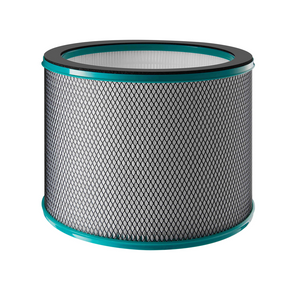
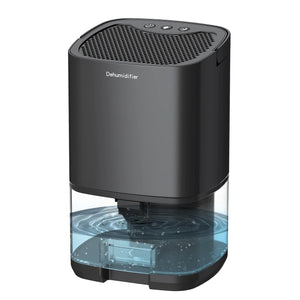
Although the designs vary slightly between models, the process is straightforward. A fan inside the unit pulls air in through a filter. The air then passes over a system that removes moisture. In compressor models, this is a cold metal coil. When the warm air touches the cold surface, water forms into droplets, similar to condensation on a chilled window. The droplets fall into the internal tank. In desiccant models, the air passes through a material that absorbs moisture and then releases it into the tank.
Once the air is dry, the dehumidifier releases it gently back into the room. The cycle repeats until the humidity level drops to the target level set on the machine. The result is air that feels lighter, fresher and easier to live with.
Compressor dehumidifiers for most UK homes
Compressor dehumidifiers are a popular choice for heated rooms such as living rooms, kitchens and bedrooms. They are energy efficient and perform well at normal indoor temperatures. If you live in a modern flat or a typical two or three bedroom home, a compressor model is usually the most suitable option.
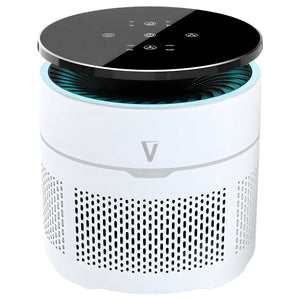
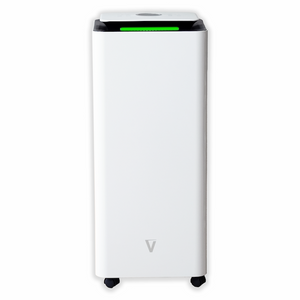
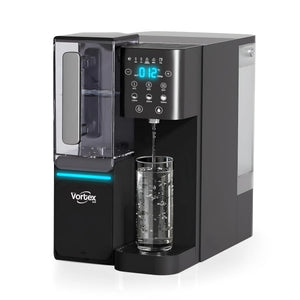
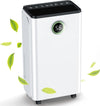
The Vortex Air 20 Litre Dehumidifier is designed for everyday home use and is ideal for reducing condensation, managing daily moisture and helping with indoor laundry drying. It suits family homes and busy spaces where you want reliable performance without complicated controls.

Desiccant dehumidifiers for cold or unheated rooms
Some spaces stay cold for most of the year. Garages, lofts, conservatories and certain utility rooms often fall into this category. A compressor model becomes less effective in these conditions because the coils can become too cold. A desiccant dehumidifier performs very well in low temperatures and continues to remove moisture even during the coldest weeks of the year.
If you need consistent performance in colder rooms, a desiccant model from the Vortex Air range is usually the best choice. It can protect stored items, prevent hidden condensation and make rarely heated areas feel much less damp.
How a dehumidifier reduces condensation on windows
Condensation appears when warm, humid air meets a cold surface. Bedrooms often show this first thing in the morning because several hours of breathing in an enclosed space adds moisture to the air. Kitchens and bathrooms naturally produce steam, which increases the effect.
Once a dehumidifier is running, it reduces the amount of moisture floating in the air. With less water available to settle on the glass, window condensation reduces significantly within a few days. Sills stay dry, frames last longer and the room feels fresher when you open the curtains.
How dehumidifiers help prevent mould and mildew
Mould thrives when humidity rises above sixty percent. It only needs a slightly damp surface and a little warmth to begin growing. Lowering humidity removes the moisture on which mould depends. A dehumidifier also helps dry out walls, ceilings and fabrics, which makes it far harder for mould to return.
If you have already seen mould patches in a bathroom or bedroom, a dehumidifier is one of the most important tools for preventing it from developing again. Once humidity is under control, cleaning becomes more effective and the results last for much longer.
How dehumidifiers improve air freshness and air quality
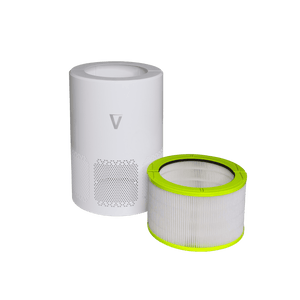
Damp air has a heavy and slightly stale quality that many people notice without fully understanding why. When moisture levels fall, the air feels cleaner and easier to breathe. Many Vortex Air models include filters that trap fine particles such as dust, pollen and pet dander as the air passes through the machine.
This means the air that returns to the room is not only drier but also cleaner. A fresher bedroom in particular can make a noticeable difference to sleep quality and the general atmosphere of the home.
How a dehumidifier helps with indoor laundry drying
Drying clothes inside a home releases a large amount of moisture. A single load of washing can release several litres of water into the air. This moisture spreads through the home and can make rooms feel muggy and uncomfortable.
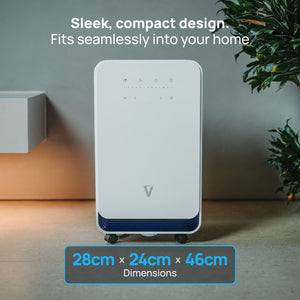
A dehumidifier collects this moisture before it spreads and helps clothing dry much faster. The Vortex Air 12 Litre Dehumidifier includes features that support laundry drying, which makes it a practical choice for flats and smaller UK homes where outdoor drying is not always possible.

How dehumidifiers make rooms more comfortable
High humidity often makes the air feel warmer and stickier than it should. When moisture levels fall, the air becomes noticeably lighter and more pleasant. During warm summer evenings, a dehumidifier can even create a mild cooling effect because dry air allows your body to regulate temperature more effectively.
A comfortable home is not only about temperature. Humidity plays an equally important role and a dehumidifier directly enhances this part of everyday living.
Hidden benefits that many people do not consider
Damp environments attract certain insects and pests that prefer moist conditions. Silverfish, some small insects and dust mites all struggle to survive in dry environments. By keeping humidity below fifty percent, a dehumidifier naturally discourages these pests without the need for sprays or strong treatments.
Lower humidity also protects personal belongings. Items such as books, clothing, leather goods and stored fabrics remain fresher for longer. This is especially useful in lofts, storage rooms and older homes where dampness can build slowly over time.
How to know when you need a dehumidifier
Most people recognise the signs long before they realise the cause. If your windows mist up regularly, if a room has a musty smell, if your towels never seem to dry or if you can see condensation forming on walls or ceilings, then humidity is likely too high.
Flats, older terraced houses and bathrooms without windows often show these signs earlier than other spaces. If you often wake up with a stuffy nose or your bedroom feels stale in the morning, humidity may be playing a part. A dehumidifier can restore balance and make the whole space feel fresher.
Placing a dehumidifier in the right spot
A dehumidifier works best when air can circulate easily around it. Most people place it in a hallway, a living room or a central area where airflow naturally moves through the home. When using one in a bedroom, place it a little further from the bed so that it runs quietly without disturbing rest.
Bathrooms benefit from a dehumidifier after showers, although the unit should always be positioned safely away from water. If you choose to use continuous drainage, the dehumidifier may need to sit slightly raised so the hose can flow downwards to a drain.
Understanding energy use and running costs
Modern dehumidifiers use far less energy than many people expect. They typically consume much less electricity than a tumble dryer or electric heater. Because they extract moisture fairly quickly, they do not need to run constantly. Once the room reaches its target humidity, the machine rests and only activates when moisture begins to build again.
The result is a dry and comfortable home that remains energy efficient throughout the year. For many households, this balance of comfort and running cost is a key reason to keep a dehumidifier as a core appliance.
Choosing the right Vortex Air dehumidifier
Every home is different and choosing the right model depends on the size of the space, how damp it feels and the type of humidity you are dealing with. Vortex Air designs dehumidifiers specifically for UK homes so you can find a model that fits your lifestyle and layout.
The Vortex Air 20 Litre Dehumidifier is a strong choice for households managing everyday moisture across several rooms. The Vortex Air 12 Litre Dehumidifier suits smaller or moderately damp spaces and supports indoor drying. You can explore the full collection here: Vortex Air dehumidifiers.
A fresher and healthier home all year round
A dehumidifier does much more than collect water in a tank. It changes the way a home feels. Rooms become fresher and more comfortable, windows stay clear and damp odours fade. By controlling humidity, you protect your home from damage and create an atmosphere that is easier to live in day after day.
Once humidity is under control, everything else improves as well. Laundry dries faster, mornings feel clearer and the entire home becomes a more pleasant place to unwind. For many UK households, a dehumidifier is not just a useful appliance. It is one of the simplest ways to improve everyday living.


